

Agentic AI in Procurement: Automating Supplier Discovery, Evaluation, and Onboarding

Finding the right supplier is only half the challenge; evaluating reliability, managing risks, and navigating onboarding can be just as demanding. Agentic AI is transforming procurement by automating these processes and turning supplier management into a smarter, faster, and more strategic operation.

Share

Key Takeaways

  • Automated Supplier Discovery: Identify potential vendors based on industry, capabilities, location, certifications, and business requirements.

  • Intelligent Supplier Evaluation: Compare quotations, proposals, pricing, and technical capabilities using standardized criteria.

  • Proactive Risk Detection: Identify potential financial, operational, security, and compliance risks before engaging suppliers.

  • Streamlined Onboarding: Automate document collection, information extraction, verification, and approval coordination.

  • Multi-Agent Collaboration: Connect specialized AI agents across sourcing, evaluation, risk assessment, and supplier onboarding.

  • Enterprise System Integration: Connect AI workflows with existing ERP, procurement, financial, and document management platforms.

  • Stronger Procurement Governance: Combine AI-driven efficiency with data security, transparency, compliance, and human oversight.

Introduction

Procurement is no longer just about finding suppliers and negotiating the best prices. Businesses must evaluate supplier reliability, assess risks, maintain compliance, and build relationships that support long-term operational goals. Agentic AI is transforming this process by turning traditionally manual procurement activities into intelligent, connected workflows.

1. The Changing Landscape of Procurement

quality of its procurement decisions directly affects costs, operational efficiency, and business continuity.


However, traditional procurement processes often involve multiple disconnected activities. Teams manually search for suppliers, collect quotations, compare proposals, verify credentials, review compliance documents, and coordinate onboarding.


These activities can become particularly challenging when organizations manage hundreds of suppliers across different regions, industries, and business categories.


Common procurement challenges include:


  • Limited visibility into potential suppliers and market alternatives.

  • Time-consuming supplier research and verification.

  • Inconsistent supplier evaluation criteria.

  • Difficulty identifying financial, operational, and compliance risks.

  • Manual document collection and approval processes.

  • Delays in supplier onboarding and procurement decisions.


Traditional procurement software helps organize these processes, but many activities still require significant human involvement.



Agentic AI introduces a more intelligent approach. Instead of simply storing supplier information or automating predefined tasks, AI agents can independently perform research, analyze information, evaluate suppliers against business requirements, and coordinate multi-step workflows.


This allows procurement teams to move from reactive purchasing toward proactive, intelligence-driven sourcing.

2. Intelligent Supplier Discovery: Finding the Right Partners

Finding suitable suppliers is often the first and one of the most challenging stages of procurement.


Businesses may rely on existing vendor databases, referrals, online directories, industry marketplaces, and manual internet research to identify potential suppliers.


However, finding a supplier does not necessarily mean finding the right supplier.


Agentic AI can automate supplier discovery by researching multiple authorized information sources and identifying vendors that match an organization’s procurement requirements.


Automated Supplier Research


AI agents can search and analyze supplier information based on predefined criteria, including:


  • Industry and product or service specialization.

  • Geographic location and operational coverage.

  • Business size and production capacity.

  • Certifications and industry qualifications.

  • Relevant experience and customer segments.

  • Available products and service capabilities.

  • Delivery capabilities and service coverage.


For example, a company looking for an enterprise cloud infrastructure provider could deploy an AI agent to identify potential vendors based on technical expertise, certifications, service coverage, industry experience, and support capabilities.


Rather than presenting a basic list of suppliers, the agent can generate structured profiles explaining why each vendor may be relevant.


Discovering Alternative Suppliers


Procurement teams often depend heavily on established vendor relationships.


While these relationships are valuable, relying on a limited supplier network can restrict opportunities for cost optimization and innovation.


AI agents can identify alternative suppliers that meet the organization’s requirements, helping procurement teams explore new markets and reduce dependency on a limited number of vendors.


This is particularly useful when businesses face supply shortages, changing market conditions, or the need to diversify their supplier base.

3. Intelligent Supplier Evaluation: Making Better Procurement Decisions

Identifying potential suppliers is only the beginning. Organizations must determine which vendors can deliver the best overall value.


Traditionally, procurement teams compare suppliers using quotations, spreadsheets, technical proposals, financial statements, and manually collected information.


AI agents can streamline this evaluation process by consolidating supplier information and assessing vendors against predefined evaluation frameworks.


Automated Proposal and Quotation Analysis


Suppliers often submit proposals in different formats, making direct comparisons difficult.


AI agents can extract relevant information from quotations, proposals, and supporting documents, including:


  • Product and service pricing.

  • Delivery timelines.

  • Payment conditions.

  • Warranty and support commitments.

  • Service-level agreements.

  • Contractual obligations.

  • Technical specifications.


The agent can organize this information into standardized comparison reports, helping procurement teams evaluate multiple suppliers more efficiently.



For example, if three vendors submit proposals for an enterprise software solution, an AI agent can compare pricing, implementation timelines, licensing terms, support availability, and technical capabilities.


This makes it easier to identify differences that might otherwise be overlooked during manual reviews.


Multi-Criteria Supplier Scoring


Price alone is rarely enough to determine supplier suitability.


A low-cost vendor may have limited delivery capacity, poor service reliability, or insufficient security controls.


AI agents can evaluate suppliers using multiple criteria, such as:


  • Cost competitiveness.

  • Product and service quality.

  • Financial stability.

  • Delivery performance.

  • Technical capabilities.

  • Compliance certifications.

  • Security standards.

  • Historical performance.


Organizations can assign different weights to these criteria based on their procurement priorities.


For instance, a business purchasing critical IT infrastructure may prioritize technical expertise, security, and service availability over the lowest quoted price.


AI-generated scoring can provide a consistent evaluation framework and highlight the strengths and weaknesses of each supplier.


However, final supplier selection should remain subject to appropriate procurement policies and human approval.

4. Proactive Supplier Risk Assessment: Identifying Problems Before They Escalate

Supplier relationships introduce risks that can affect an organization’s financial performance, regulatory obligations, data security, and business continuity.


A supplier may initially appear suitable but later experience financial difficulties, compliance issues, operational disruptions, or security incidents.


Agentic AI can help organizations identify and monitor these risks earlier.


Financial and Operational Risk Detection


AI agents can analyze available supplier information to identify potential warning signs, such as:


  • Financial instability.

  • Significant changes in business operations.

  • Delivery delays and performance issues.

  • Heavy dependency on subcontractors.

  • Limited operational capacity.

  • Geographic or supply chain vulnerabilities.


For example, an organization relying on a single supplier for critical components may use AI agents to identify potential supply chain concentration risks and recommend exploring alternative vendors.


Compliance and Security Assessment


Supplier compliance is particularly important when third parties handle sensitive information, provide critical services, or operate in regulated industries.


AI agents can review supplier documentation against predefined organizational requirements and relevant compliance frameworks.


They can help verify the presence of:


  • Business licenses and certifications.

  • Information security policies.

  • Data protection commitments.

  • Insurance documentation.

  • Regulatory compliance records.

  • Health and safety requirements.

  • Relevant contractual provisions.


For technology vendors, an AI agent could also examine security questionnaires and supporting documentation to identify missing information or potential gaps.


Importantly, AI-generated assessments do not replace independent verification, formal audits, or professional compliance reviews. They help teams identify where additional investigation is needed.

5. Automated Supplier Onboarding: From Selection to Integration

Once a supplier has been selected, the onboarding process begins.


This stage often requires collecting business documents, verifying company information, completing compliance checks, preparing agreements, obtaining internal approvals, and creating supplier records in enterprise systems.


Manual onboarding can create unnecessary delays, particularly when multiple departments need to participate.


Agentic AI can coordinate much of this process through connected workflows.


Intelligent Document Collection and Processing


AI agents can request, receive, and process supplier documentation through approved communication channels and business applications.



Using Intelligent Document Processing (IDP), they can extract information from documents such as:


  • Business registration certificates.

  • Tax identification documents.

  • Bank account information.

  • Insurance certificates.

  • Compliance certifications.

  • Supplier agreements.

  • Security questionnaires.


The extracted information can then be validated against predefined requirements.


For example, if a supplier submits an outdated business certificate or an incomplete compliance questionnaire, the system can identify the missing information and initiate a request for clarification.


Automated Verification and Approval Workflows


Supplier onboarding often requires approvals from multiple departments.


AI agents can coordinate these activities by routing information to the appropriate stakeholders.


For example:


  • Procurement teams verify commercial suitability.

  • Finance teams review payment and banking information.

  • Legal teams examine contractual terms.

  • Security teams assess data protection and cybersecurity requirements.

  • Compliance teams validate regulatory documentation.


The agent can track approval status, identify pending tasks, and send reminders to responsible stakeholders.


Once the required checks are completed and authorized approvals are obtained, the supplier’s information can be transferred into the organization’s procurement or ERP system.


This reduces administrative work while maintaining control over important business decisions.

6. How Multiple AI Agents Work Together in Procurement

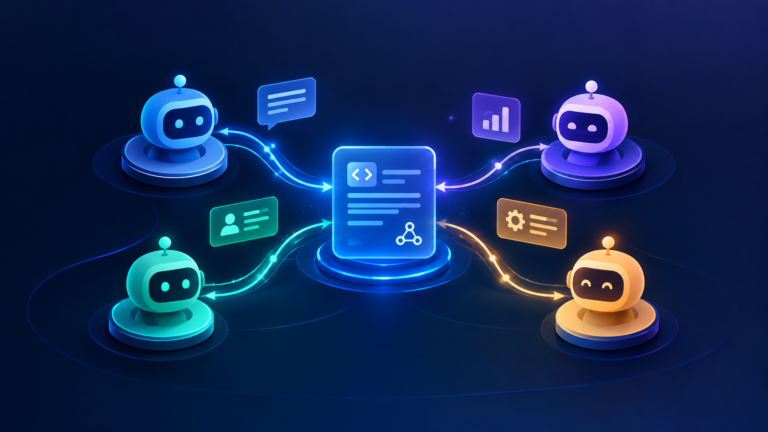
One of the biggest advantages of Agentic AI is its ability to coordinate specialized agents across different stages of a business workflow.


Rather than relying on a single AI tool, organizations can deploy multiple agents with specific responsibilities.


Consider a company looking to onboard a new technology supplier.


Step 1: Supplier Discovery Agent


Searches authorized sources to identify potential vendors based on business requirements.


Step 2: Research and Enrichment Agent


Collects supplier profiles, company information, certifications, and relevant business details.


Step 3: Evaluation Agent


Compares proposals, pricing, technical capabilities, and service commitments against procurement criteria.


Step 4: Risk Assessment Agent


Reviews available financial, operational, security, and compliance information to identify potential risks.


Step 5: Document Processing Agent


Extracts and validates information from supplier documentation and onboarding forms.


Step 6: Workflow Coordination Agent


Routes documents for approval, tracks progress, updates procurement records, and notifies relevant stakeholders.


Together, these agents can transform a fragmented procurement process into a connected and intelligent workflow.

7. Integrating Agentic AI With Existing Procurement Systems

Agentic AI delivers greater value when integrated with the systems businesses already use.


Most organizations rely on ERP platforms, procurement management systems, financial applications, supplier databases, and document management solutions.


AI agents can connect with these systems through APIs and authorized integrations.
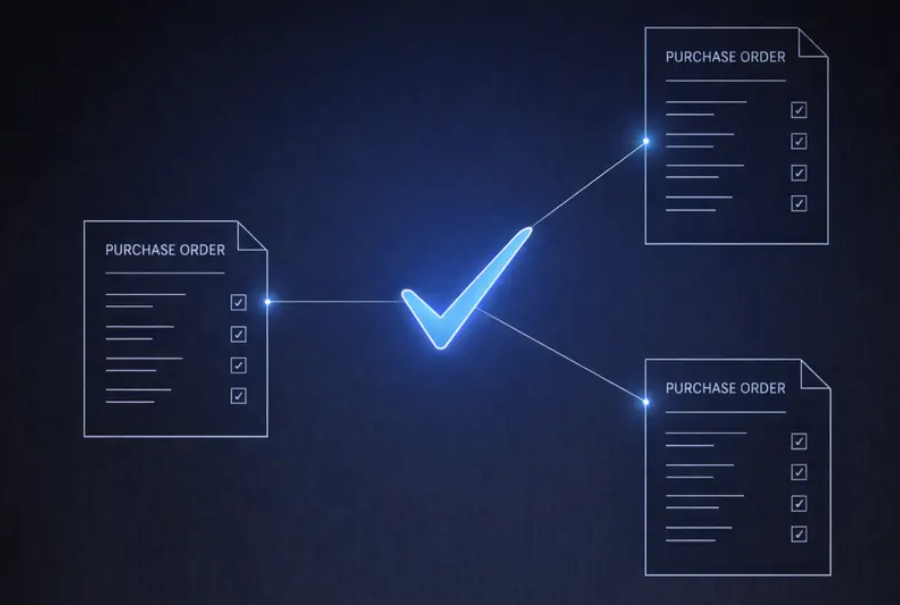


Common integration areas include:


  • ERP Platforms: SAP, Oracle, Microsoft Dynamics, and other enterprise systems for supplier records and purchasing operations.

  • Procurement Platforms: Tools for sourcing, purchase orders, vendor management, and procurement approvals.

  • Document Management Systems: Centralized repositories for supplier agreements, certifications, and supporting documents.

  • Financial Systems: Applications for payment verification, financial records, and supplier account management.

  • Business Intelligence Platforms: Analytics systems for procurement performance, spending patterns, and supplier evaluations.


With these integrations, AI agents can access relevant information, execute approved workflows, and keep supplier records updated across business systems.


The objective is to enhance existing procurement infrastructure rather than replace every system an organization already uses.

8. Building Trust: Security, Governance, and Human Oversight

Although Agentic AI can automate significant parts of procurement, its implementation requires strong governance.


Supplier records may contain confidential business information, financial details, banking information, and sensitive contractual documents.


Organizations must ensure that AI agents operate within appropriate security and compliance boundaries.


Key considerations include:


Data Security: Protect supplier information through encryption, secure storage, and appropriate data handling practices.


Identity and Access Management: Ensure agents and employees access only the information necessary for their responsibilities.


Data Governance: Establish clear policies for collecting, processing, retaining, and sharing supplier information.


Transparency: Maintain records of supplier evaluations, risk assessments, recommendations, and automated actions.


Human Oversight: Require authorized professionals to review critical supplier decisions, compliance findings, and financial approvals.


Continuous Monitoring: Regularly assess agent performance, data accuracy, and the reliability of automated recommendations.


AI should support procurement decisions, not independently bypass organizational controls or approve high-impact supplier relationships.

9. The Future of Procurement: From Manual Sourcing to Intelligent Operations

The future of procurement will increasingly involve AI agents working across interconnected enterprise systems.


Imagine an organization that needs a new technology supplier.


Instead of manually searching for vendors, collecting proposals, comparing documents, and coordinating approvals, the organization can initiate an AI-assisted sourcing workflow.


Agents identify potential suppliers, evaluate their capabilities, compare commercial proposals, flag potential risks, and prepare onboarding documentation.


Once a supplier is approved, the system can continue monitoring performance, tracking contract obligations, and identifying potential changes in supplier risk.


This creates opportunities for procurement teams to move beyond administrative activities and focus on strategic priorities such as supplier relationships, cost optimization, operational resilience, and long-term business value.


As AI agents become more capable, procurement will evolve from a largely transactional function into a proactive source of business intelligence.

Conclusion: Making Procurement Smarter With Agentic AI

Procurement is about more than purchasing products and services. It is about identifying reliable partners, managing supplier relationships, controlling risks, and ensuring that business operations receive the resources they need.


Agentic AI is transforming this process by automating supplier discovery, simplifying evaluation, identifying potential risks, and coordinating onboarding workflows.



However, successful adoption requires more than automation. Organizations need reliable data, secure integrations, transparent evaluation criteria, and appropriate human oversight.


The future of procurement is not simply about finding suppliers faster. It is about making smarter sourcing decisions, building stronger supplier relationships, and creating more resilient business operations.

Newsletter

Get new articles in your inbox

New Koronik.AI articles on agentic AI, sent to your inbox. Unsubscribe anytime.

Email

Explore More Articles

Act Now!

Get started for free

No credit card required. Access everything you need to get started for free, forever.

Koronik.AI logokoronik.ai

Koronik.AI is an agentic AI platform for deploying bespoke AI agents at scale. We automate communication, intelligence, and workflow to deliver measurable ROI.

ai@graaho.com
1530 Wilson Blvd, Suite 650,
Arlington, VA 22209, USA

Join our newsletter

Product news and agentic AI insights, no spam.
Email
© 2026 Graaho Technologies LLC. All rights reserved.Privacy PolicyTerms of UseData Processing Addendum

Koronik.AI is an agentic AI platform for deploying bespoke AI agents at scale. We automate communication, intelligence, and workflow to deliver measurable ROI.

Company

Address

Address: 1530 Wilson Blvd, Suite 650, Arlington VA 22209, USA

Subscribe


© 2025 Graaho Technologies LLC.